It began as NFT Index—a map, a tool, a lens for navigating the wild expanse of Web3 brands. But names evolve as visions sharpen, and one day the vision took on a new name.
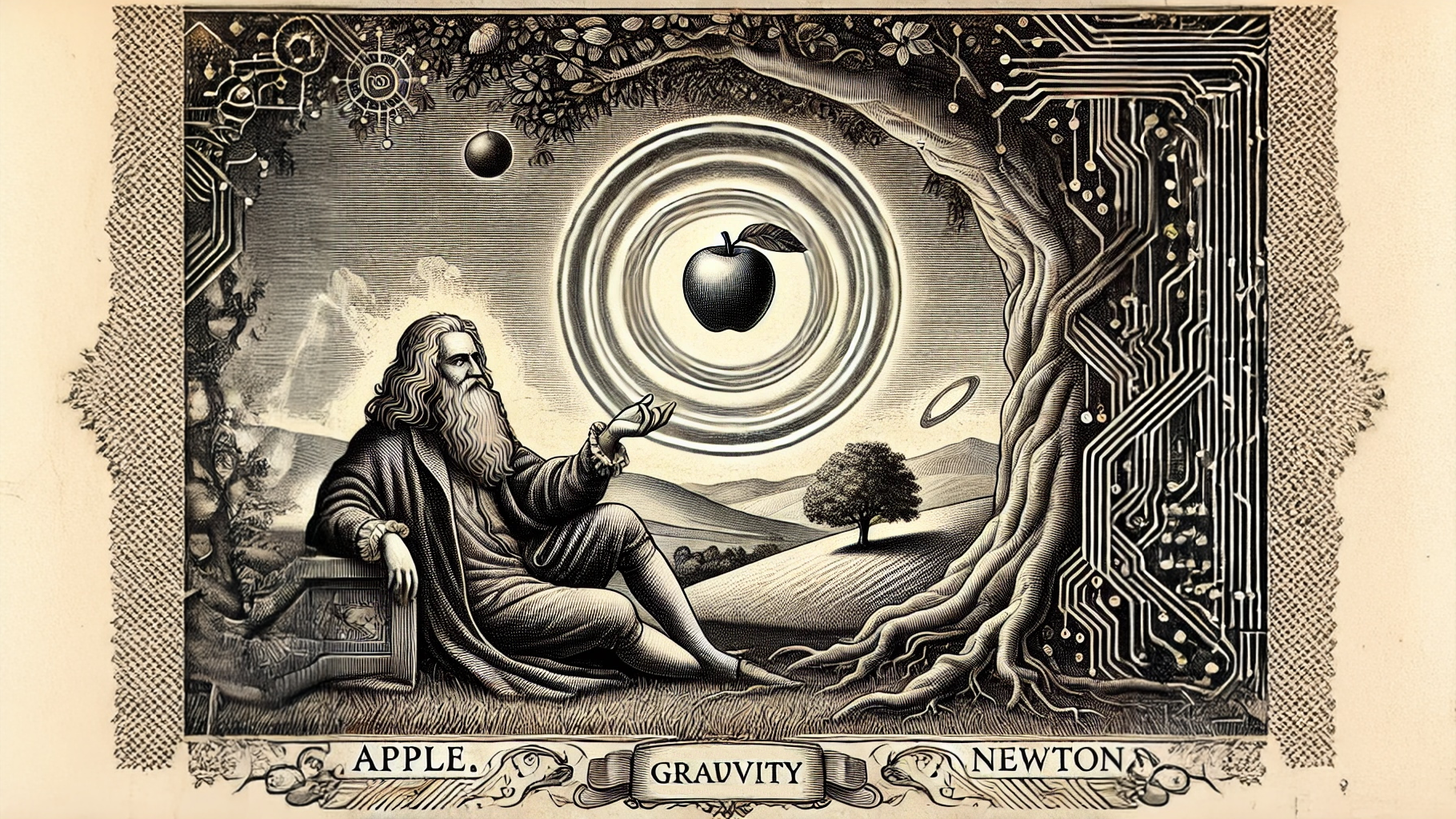
When I think about great branding, one name always comes to mind: Apple—simple, symbolic, timeless. That led to Newton and the fall that changed everything, the moment of insight.
But the name still hadn't landed.
Later, when explaining NFT Index—what it is, what it does. How it pulls NFTs. Pulls data. Pulls brand signals. Pulls communities together. That's when it struck.
Apple. Newton… Gravity.
A platform designed to pull everything together: tokens, portfolios, brands, data, and people.
We took it a step further. Gravvity is a practical spin on the word “gravity.” The double “v” was intentional—more ownable, more memorable, and fun to design around.
That's when it clicked: Gravvity.
Gravvity Studios is the umbrella—a builder's brand for Web3 tools and experiences. The Gravvity app was always meant to be the working expression of that vision: a living product, not a pitch deck.
Then Blockasset made a move. The team dedicated itself to reviving the $BLOCK token and building BlockBet—while handing NFT management to the community. Four collections, thousands of NFTs, and a collector base ready to step up.
That was the signal. The Gravvity app became the Blockasset Collector House—a dedicated home for tracking floors, hunting gems, and managing portfolios across every Blockasset collection. Built by a collector, for collectors.
It's the first real deployment of what Gravvity was always meant to be: infrastructure for communities that own their own assets. The goal is for both sides to meet again—pulling utility from BlockBet to NFTs and vice versa. Two lanes, same ecosystem.
This is the start.